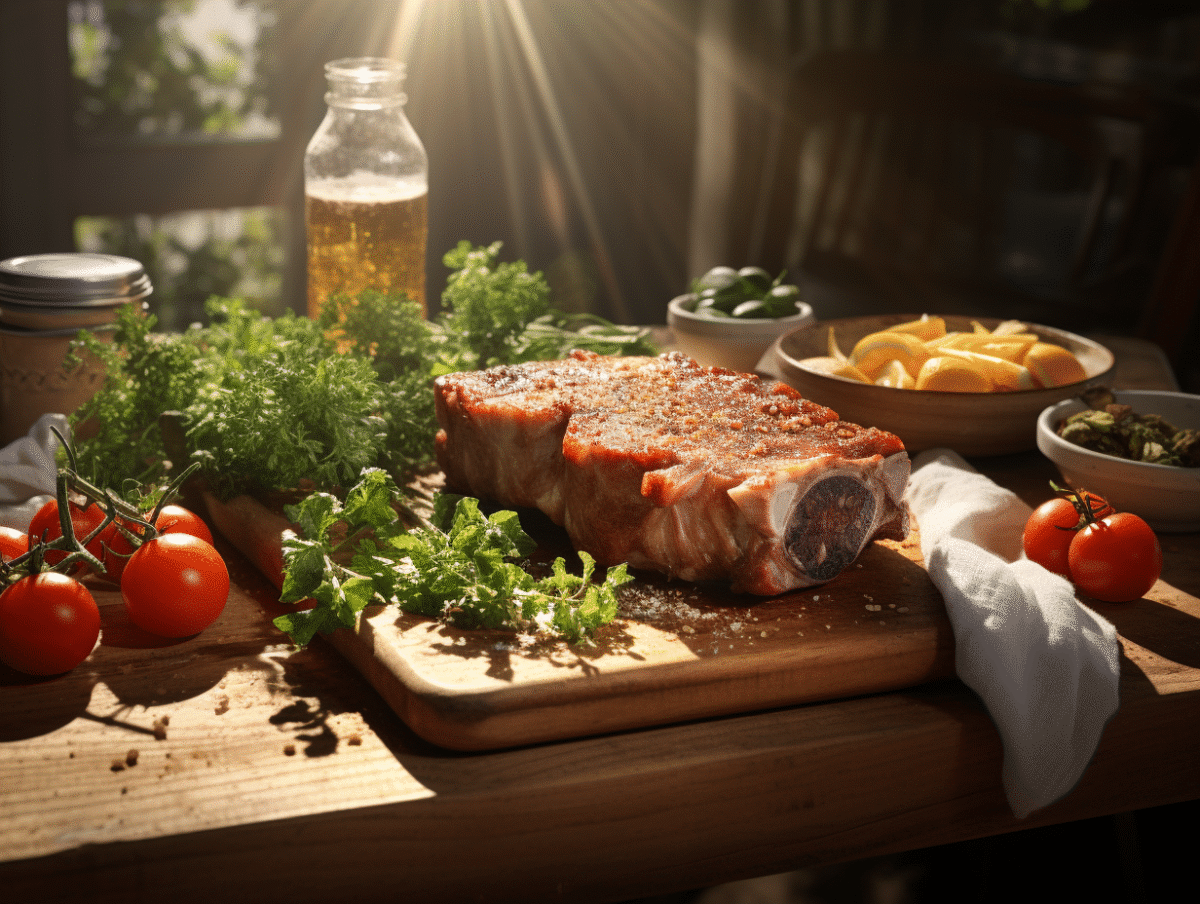
Mastering the cooking of a pork knuckle is essential to savor its tender meat and crispy skin. This robust cut requires an appropriate method to reveal its flavor and texture. The methods range from long, gentle braising to high-heat grilling, influencing the final result. Recipes draw inspiration from culinary traditions around the world, offering a diversity of flavors. Whether you opt for the classic German Eisbein, the Italian Zampone, or a spiced braised version, a few chef tips can guide you towards an unforgettable dish.
Mastering the Cooking of Pork Knuckle: Techniques and Tips
The pork knuckle, a tender and juicy cut of meat, benefits from careful cooking. Preheating the oven is a crucial preliminary step for even cooking. Set your oven to the appropriate temperature, often around 160°C for slow and controlled roasting. This temperature allows the oven-roasted pork knuckle to cook gently, ensuring meat that easily separates from the bone while retaining its juiciness.
A traditional method requires the cooking time of pork knuckle in broth, a technique that imparts a delicate flavor and a melting texture to the meat. Use a broth flavored with herbs, vegetables, or even beer, to infuse the knuckle with complex flavors. The cooking water should simmer, not boil, to prevent the meat from becoming tough.
If the knuckle is covered with a thick rind, a tip is to briefly grill it after the main cooking to achieve a crispy, golden skin. Once the knuckle is cooked through, increase the oven temperature or place it under the broiler for a few minutes, watching closely to prevent burning.
The marinade, a process of infusing flavors beforehand, enhances the cooking of the pork knuckle. Whether based on wine, beer, or spices, it tenderizes the meat and adds aroma. For an effective marinade, let the knuckle rest for several hours, or even overnight, to allow the flavors to penetrate deeply. After this step, drain the knuckle and dry it before placing it in the oven or broth for successful cooking.

Diversity of Pork Knuckle Recipes: Exploring Flavors
At the heart of gastronomy, the pork knuckle lends itself to a multitude of preparations, each revealing different facets of this noble cut. Among the most popular recipes, pot-au-feu stands out for its simplicity and authenticity. This dish, emblematic of French family cooking, combines the knuckle with a bouquet garni, root vegetables, and potatoes. The whole simmers slowly, allowing the meat to absorb the aromas of the broth and vegetables, creating an incomparably rich dish.
The side dishes play a crucial role in highlighting the pork knuckle. They vary according to regional traditions and personal preferences. Vegetables such as carrots, celery, or leeks, cut into generous pieces, add texture and flavor to the dish. The potatoes, cooked in the same broth, absorb the flavors of the knuckle, while olive oil, salt, and pepper perfect the seasoning.
Culinary innovation opens the door to bolder recipes where the pork knuckle is paired with less conventional ingredients. Adventurous chefs dare to combine it with exotic spices, dried fruits, or marinades made with rare wines, thus offering contemporary and surprising dishes. These bold combinations highlight the knuckle’s ability to absorb and blend with a wide range of flavors.
The ingredients chosen to accompany the pork knuckle, whether traditional or innovative, each contribute to the tasting experience. While root vegetables pay homage to the terroir, spices and marinades tell stories from afar. Each recipe is a new opportunity to rediscover the pork knuckle, this cut of meat that continues to captivate palates and inspire cooks around the world.