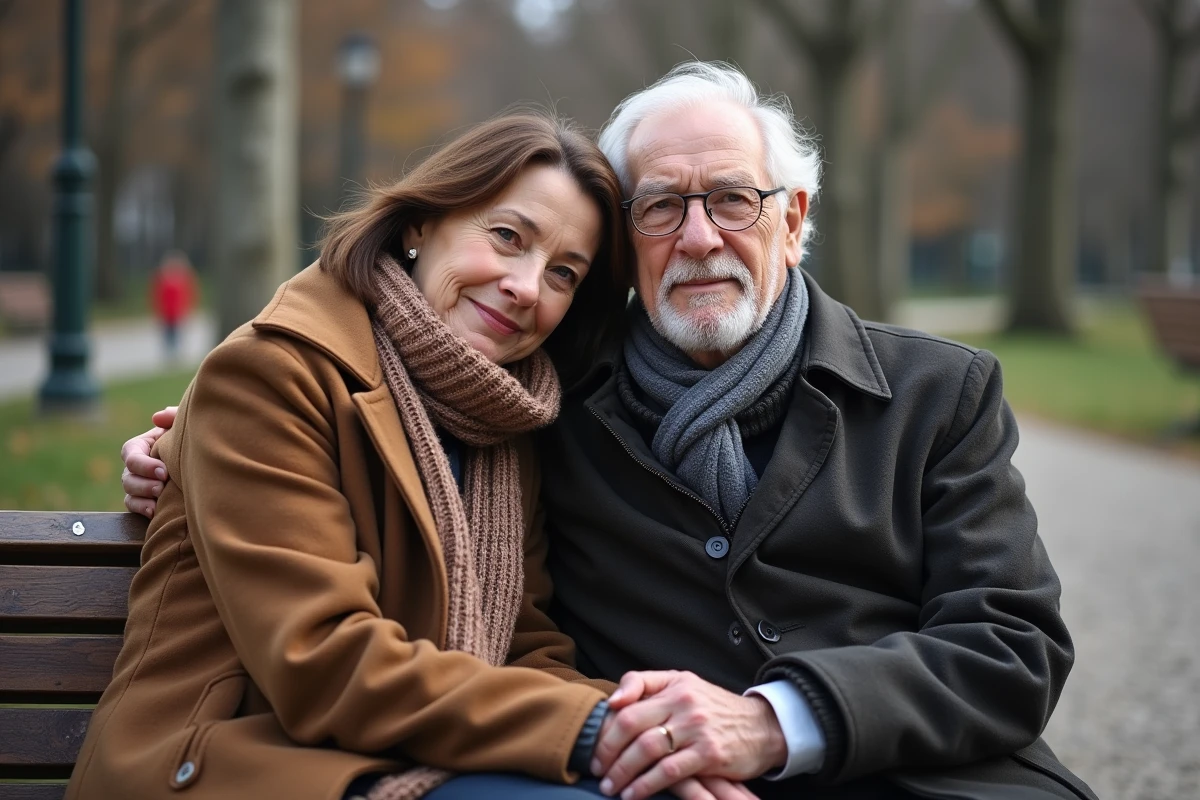
In France, more than 600,000 people experience a significant family or friendship loss each year, but less than 15% seek specialized support. Despite the existence of support systems, access to these resources often remains unknown or underutilized.
The close circle is not always enough to fill the absence of references or to break the solitude that follows the loss of a loved one. However, trained professionals and dedicated groups offer concrete and diverse responses, from individual listening to collective support. Educational tools enrich the panel, facilitating the understanding of the mechanisms of grief and supporting efforts to find appropriate help.
Understanding grief: a personal and universal process
Grief enters all lives, without an imposed timeline or universal rule. Those going through this ordeal, the bereaved person, see their family and friendship ties disrupted, sometimes even redefined. Reactions are varied: some feel lost, others oscillate between anger, nostalgia, sadness, or a difficult-to-describe sense of emptiness. The famous stages of grief—shock, denial, anger, sadness, sometimes depression, and then acceptance—do not follow any strict rules, and each story follows its own trajectory.
The variability of the grieving process is expressed in the repetition, even intertwining, of these stages. The same individual may move from denial to sadness and then back to anger several times within a few weeks. The feelings associated with grief, agitation, confusion, emptiness, but also a gradual calming, reflect the instability of this period. Cultural differences, individual journeys, and the nature of the lost bond color these experiences, making any generalization futile.
Validating each emotion and allowing for open dialogue are two powerful levers to support the bereaved person throughout this journey. Digital resources, such as francoeur.org, provide valuable tools to better understand this passage. One does not follow a predetermined path: each story deserves renewed listening and attention to its uniqueness.
How to recognize your needs and find appropriate support?
The early stages of grief often plunge the bereaved person into a stark solitude, even within a close circle. Family and friends provide real support, but this network is not always enough to soothe internal turmoil. Recognizing one’s own needs requires honest self-reflection, without judgment: some feel the need to talk, while others prefer silence or simply the presence of others.
There are several forms of support. Professionals, psychologists, and social workers provide a respectful listening space, free from intrusion and centered on each individual’s experience. Social workers from the CAF assist bereaved families with administrative processes, alleviating many concrete burdens.
In the professional sphere, human resources services and managers also have a role to play. Adjusting the pace, modifying schedules, offering psychological support: these are responses that can facilitate the return to work. Open dialogue, acknowledgment of suffering, and the absence of judgment allow for a gradual reconnection with professional daily life, without denying the reality of the ordeal.
Here are some suggestions to adjust your support and move at your own pace:
- Express your expectations to your loved ones or colleagues
- Seek professional support if needed
- Consult specialized resources such as francoeur.org for guidance
Welcome your emotions as they come. Seek, at your own pace, the support that suits you. Support takes various forms: attentive listening, advice, administrative or psychological assistance, adjustments to daily life.

Professional resources and support groups: towards compassionate support
Going through grief alone exposes one to a feeling of isolation that can be hard to bear. Accessing structured professional resources can transform this experience into a shared journey. Several specialized associations set up systems that combine listening, psychological support, and administrative assistance. The volunteers who work there receive specific training in grief support, ensuring a respectful approach to each story.
Some hospitals, like the CHU de Nantes, develop welcoming systems for bereaved individuals. The commitment of Dr. Lepeintre and C. Paul has been recognized: in 2022, their collective project received the 3rd prize for hospital values. Through support groups, dialogue flows freely, far from the pressures to move on. Everyone can express themselves, listen, share, and sometimes find a bit of peace, without pressure.
Alongside physical locations, online resources are increasingly prominent: forums, practical advice, guides, and specialized articles provide accessible reference points at any time. These digital spaces extend human solidarity, paving the way for discreet and personalized support, allowing everyone to gradually rebuild the balance of their life.
Facing grief is traversing unknown territory, but never without resources. The paths to recovery exist; it is up to each person to choose their own and to allow themselves, one day, to feel less alone.