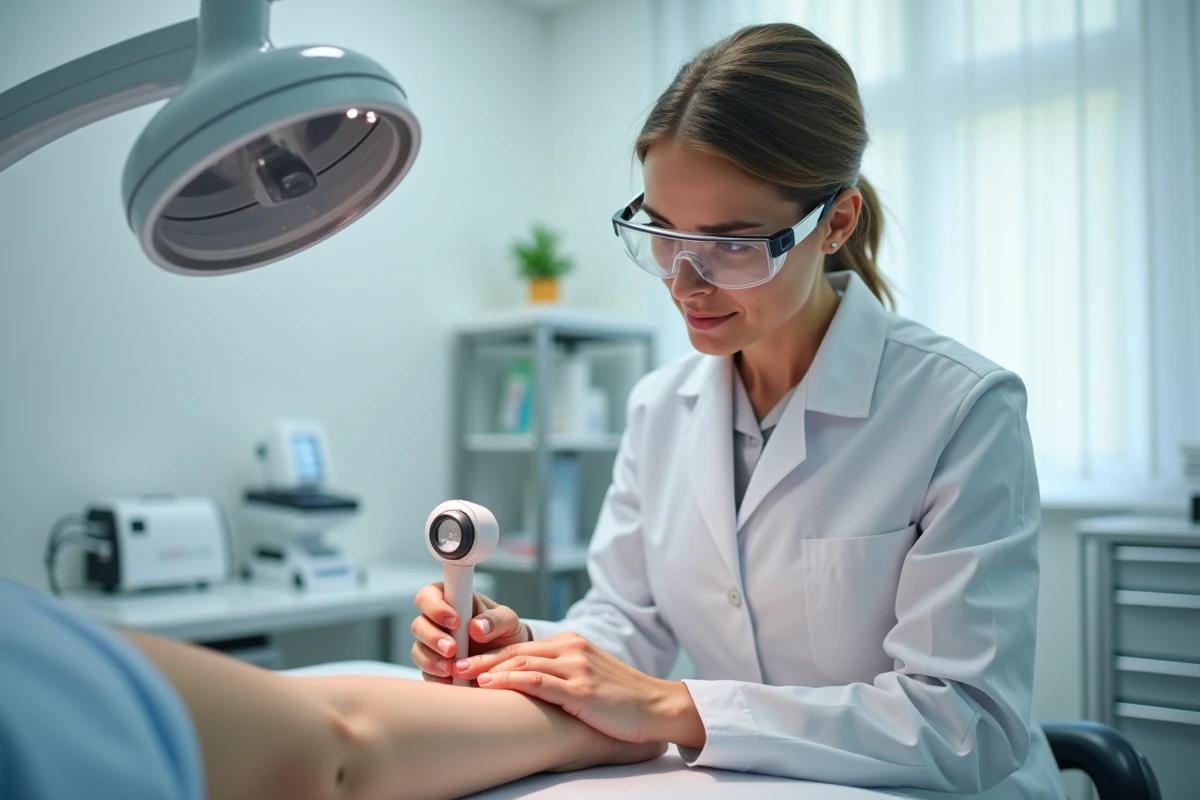
After a vascular laser session, the skin enters a healing phase where every action matters. The post-treatment restrictions are not just a simple general precaution: they directly affect the quality of the result and the prevention of recurrences. Residual redness, increased sensitivity to UV, temporary vasomotor reactivity – the laser treatment does not stop when the patient leaves the office.
Vasomotor reactivity after vascular laser: what happens beneath the skin
The vascular laser targets the hemoglobin contained in dilated vessels. The light energy causes selective thermocoagulation that destroys the wall of the treated vessel. This process generates a local inflammatory reaction, visible as redness, slight swelling, or micro-bruises in the treated area.
This inflammation is normal and is part of the repair mechanism. However, it temporarily makes the skin more reactive to any vasodilatory stimulus: heat, physical exertion, alcohol, spices. Any increase in skin temperature can reactivate the dilation of surrounding vessels and compromise the work of the laser.
The duration of this phase varies depending on the type of lesion treated and the area involved. A treatment for couperose on the face does not produce the same response as a session targeting varicosities on the legs. Therefore, post-session instructions must be adapted, which the doctor usually specifies on a case-by-case basis. To better understand these nuances, it is possible to consult the advice from Univers Beauté that details recommendations according to the situations.

Post-laser photoprotection: why SPF 50 alone is not enough
Almost all post-vascular laser protocols mention the application of a sunscreen with SPF 50. This point is widely agreed upon. What is less often explained is that sunscreen alone does not provide complete photoprotection after this type of treatment.
The skin treated with laser remains hypersensitive to UV for several weeks. The main risk is the appearance of post-inflammatory pigment spots, sometimes more visible than the initial lesion. These hyperpigmentations occur when melanogenesis is stimulated in an area still in the healing process.
An effective photoprotection strategy combines several elements:
- Application of a broad-spectrum SPF 50 sunscreen (UVA and UVB), reapplied every two hours during exposure, even on cloudy days
- Direct limitation of sun exposure during the period indicated by the doctor, especially during peak sunlight hours
- Wearing a wide-brimmed hat or covering clothing on treated areas, especially for sessions performed in spring or summer
- Monitoring changes in skin color in the weeks following treatment, not just in the first few days
A common mistake is to relax vigilance after the immediate redness disappears. Sensitivity to UV persists well beyond the visible inflammatory phase.
Heat and exercise after a vascular laser session
Sauna, steam room, hot bath, intense exercise: these activities are systematically discouraged in the days following a session. The reason lies in the persistent vasomotor sensitivity after treatment.
Physical exertion raises body temperature and causes general vasodilation. In an area where the vessels have just been treated, this dilation can worsen inflammation, prolong redness, and in some cases, promote the reappearance of dilated vessels.
Recovery time depending on the treated area
Field reports vary on this point among practitioners. For the face (couperose, rosacea), most protocols recommend avoiding any source of direct heat and intense exercise for several days after the session. For varicosities in the lower limbs, resuming moderate activity like walking is often encouraged more quickly, as it promotes venous return circulation.
The patient must distinguish between gentle physical activity, which can be beneficial for circulation, and sustained cardio effort that causes an increase in skin temperature. It is this rise in temperature that poses a problem, not the movement itself.
Result of vascular laser and prevention of recurrences
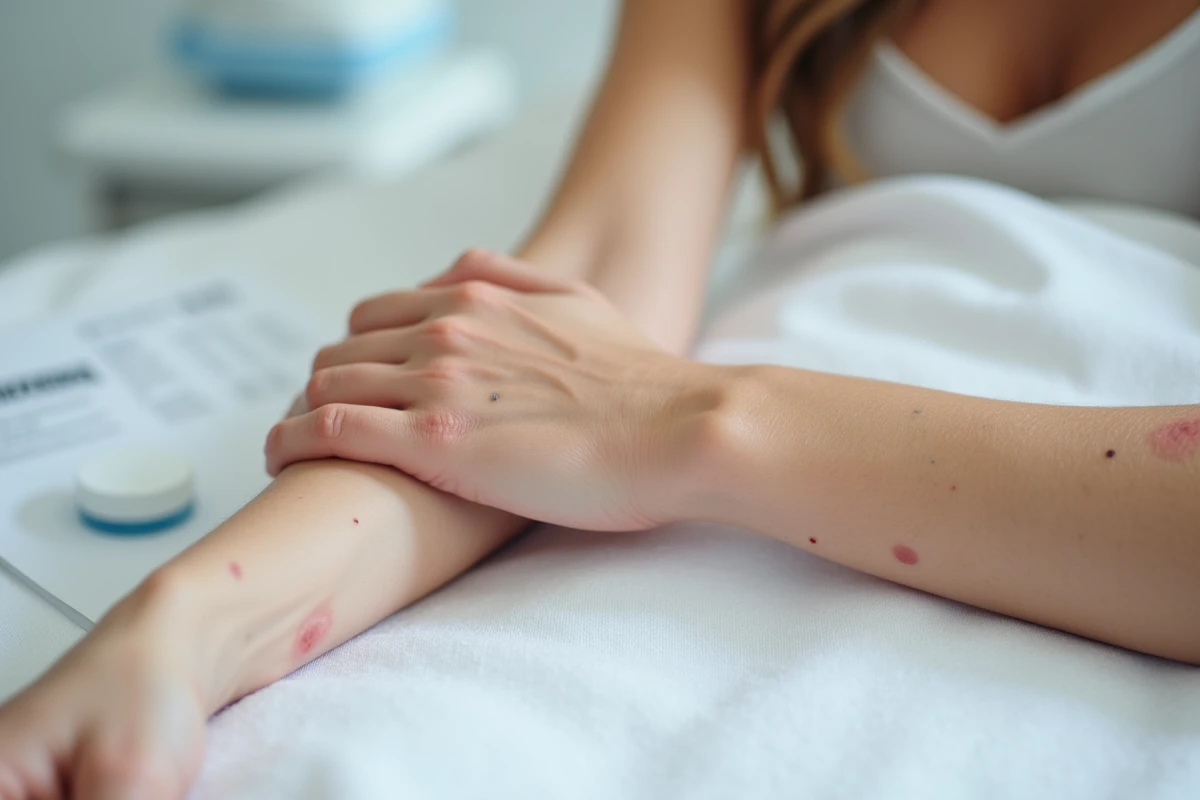
A point often misunderstood: the vascular laser destroys the treated vessels but does not change the underlying condition. If the triggering factors persist (repeated sun exposure, untreated rosacea, untreated venous insufficiency), new vascular lesions may appear near the areas already treated.
For couperose and rosacea, laser treatment is part of a comprehensive management approach. The use of appropriate topical treatments, avoidance of aggravating factors (alcohol, sudden temperature changes, certain irritating cosmetics), and regular dermatological follow-up complement the action of the laser.
Number of sessions and maintenance
The number of sessions required depends on the type of lesion, its depth, and the individual response of the patient. Several sessions spaced a few weeks apart are generally required to achieve a satisfactory result. Maintenance sessions may be necessary at intervals if the vascular condition remains active.
The available data do not allow for defining a universal protocol. The doctor adjusts the treatment based on the observed evolution between each session, skin tolerance, and the effectiveness observed on targeted redness or varicosities.
The period following a vascular laser session determines as much the final result as the session itself. Rigorous photoprotection, avoidance of heat, prolonged monitoring of skin changes, and management of triggering factors form a coherent whole. Neglecting any one of these elements can reduce the benefit of the treatment or accelerate the reappearance of vascular lesions.