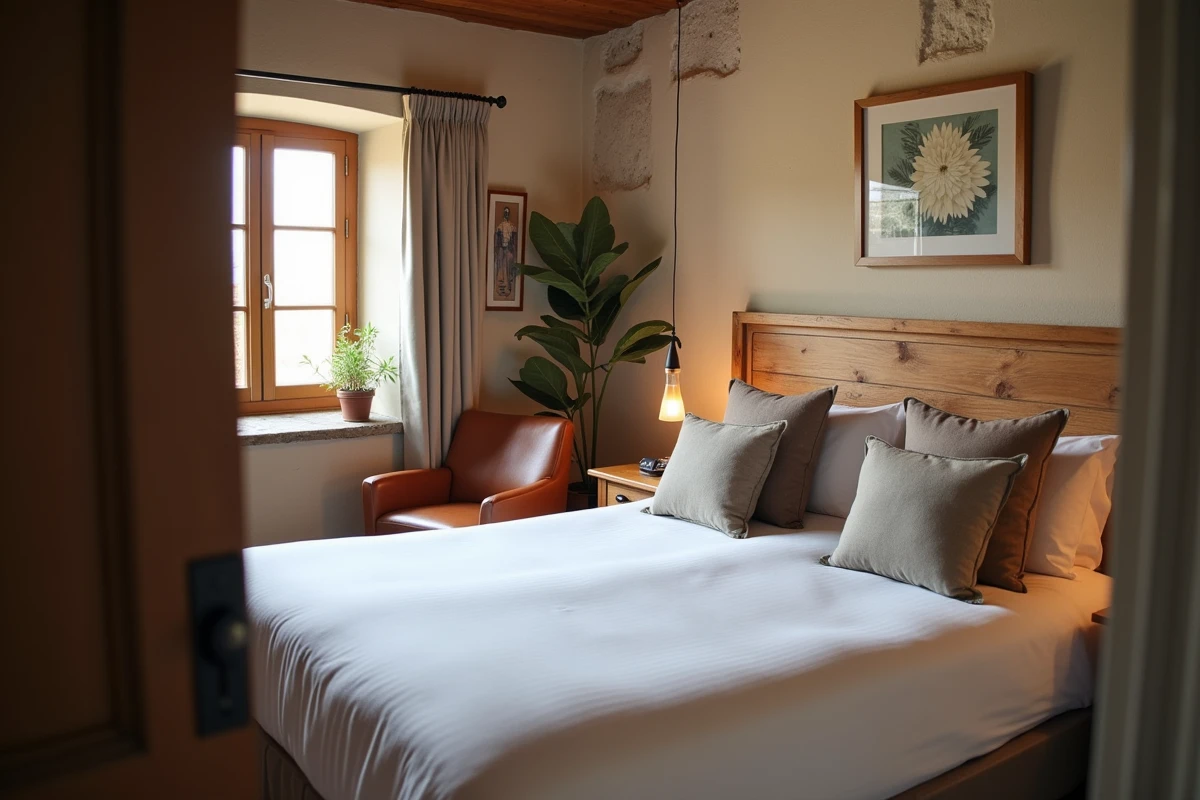
Hotel, vacation rental, camping, guesthouse: the accommodation options for holidays have never been so numerous. However, the choice depends on very concrete variables, from budget to number of travelers, including the length of stay and the destination. Comparing these parameters helps identify the most suitable option, far from generic recommendations.
Comparison of holiday accommodation types: cost, flexibility, and comfort
Before booking, laying out the criteria side by side helps to objectify the choice. The table below summarizes the main categories of accommodations available to travelers in France and abroad.
| Type of accommodation | Relative budget | Stay flexibility | Family-friendly | Autonomy (kitchen, space) |
|---|---|---|---|---|
| Hotel (chain or independent) | Medium to high | Very flexible (1 night minimum) | Variable depending on the range | Low |
| Vacation rental (Airbnb, Abritel) | Variable | Medium (minimum 2-3 nights common) | Yes | High |
| Camping / mobile home | Low to medium | Flexible in low season | Yes | Medium to high |
| Guesthouse / cottage | Medium | Flexible | Depending on capacity | Medium |
| Tourist residence | Medium | Frequent weekly stays | Yes | High |
The relative budget strongly depends on the destination and the season. An hotel in low season can cost less than a vacation rental in peak summer. The line-by-line comparison does not replace a price search for a specific case.
To explore options suited to different traveler profiles, accommodations on conceptvoyages.fr group several categories filterable by destination and type of stay.
Regulation of vacation rentals: what changes for travelers

The rise of short-term rentals has prompted a strong regulatory response in several major cities. Barcelona, Amsterdam, Florence, and Berlin have implemented drastic restrictions: registration requirements, annual night caps, and partial bans in historic centers.
In France, the framework is also evolving. The so-called “anti-Airbnb” law provides for a tightening of the tax regime for furnished tourist accommodations compared to long-term rentals. The political consensus around this strengthening is broad.
For travelers, these developments have direct consequences:
- The supply of vacation rentals in tourist city centers tends to decrease, which drives prices up in high season
- Unregistered listings are gradually disappearing from platforms, improving the reliability of the remaining offers
- Alternatives (hotels, tourist residences, guesthouses) regain price competitiveness in the most regulated areas
On the other hand, in rural areas or secondary destinations, vacation rentals remain largely accessible and often more advantageous than a hotel for a family stay.
Regenerative accommodations and positive impact stays: a structured offer
The term “eco-responsible” now covers too broad a spectrum to be a reliable choice criterion. So-called regenerative accommodations go further: they actively fund the restoration of the local environment (reforestation, water management) and support community initiatives.
Labels like Regenerative Travel formalize these commitments with verifiable criteria. Several major hotel chains (Marriott, Accor) have launched pilot programs in this direction, primarily in Europe and Southeast Asia.
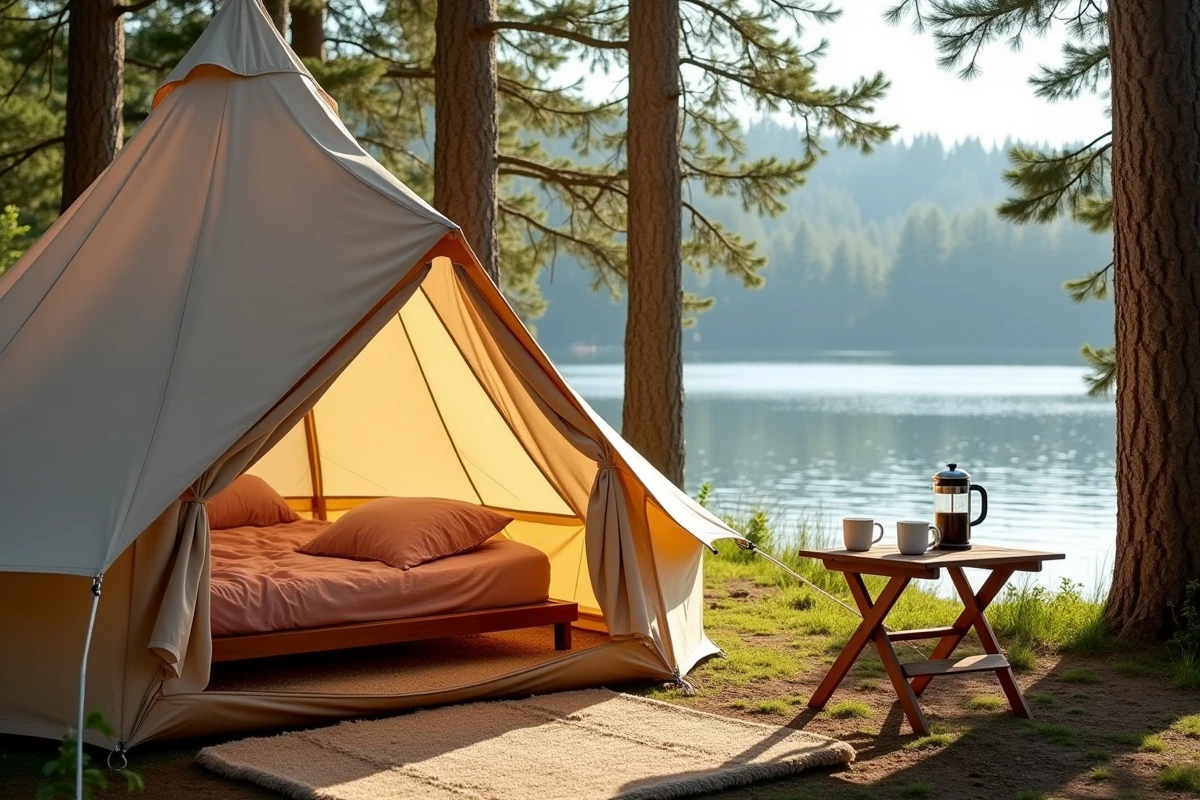
For travelers, this translates into stays where part of the night price is allocated to documented local projects. The extra cost is real, but the transparency on fund usage distinguishes these offers from classic greenwashing.
This segment remains minor in the overall volume of bookings. It mainly concerns travelers willing to trade off between price and impact, in destinations where the offer exists (coastal areas, natural parks, island destinations).
Hybrid vacation and remote work formulas: the workation stay
The development of remote work has given rise to a category of accommodations designed to combine vacation and professional activity. These workation formulas include a dedicated workspace, reliable connectivity, and extended stay durations.
Tourist residences and some hotels now offer discounted rates for weekly or monthly stays, with integrated coworking spaces. The demand comes from both freelancers and employees whose companies allow extended remote work.
The financial interest is measurable: a stay of two to four weeks in a secondary destination often costs less than a traditional accommodation in a major tourist city, while providing a more pleasant living environment.
Destinations that attract this clientele invest in digital infrastructure and in leisure offers accessible outside of working hours. Portugal, Spain, and several French regions (Atlantic coast, Mediterranean hinterland) are among the most active areas in this segment.
The choice of vacation accommodation relies on three concrete trade-offs: the balance between autonomy and included services, sensitivity to the local regulatory framework, and the actual length of stay. Travelers who ask these three questions before searching for a price save time and avoid disappointments upon arrival.