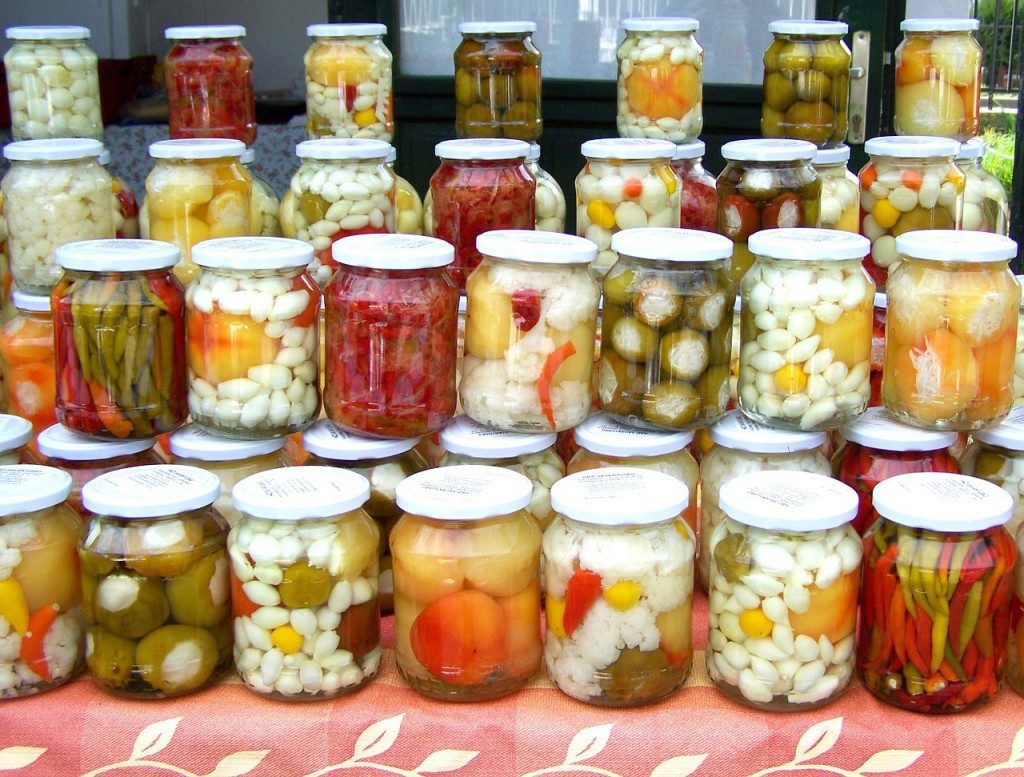
Food is the main ingredient in cooking. To always enjoy it, long-term preservation is essential. However, poor food preservation leads to food waste and health problems. To address these issues, it is important to master the proper food preservation techniques that should be implemented.
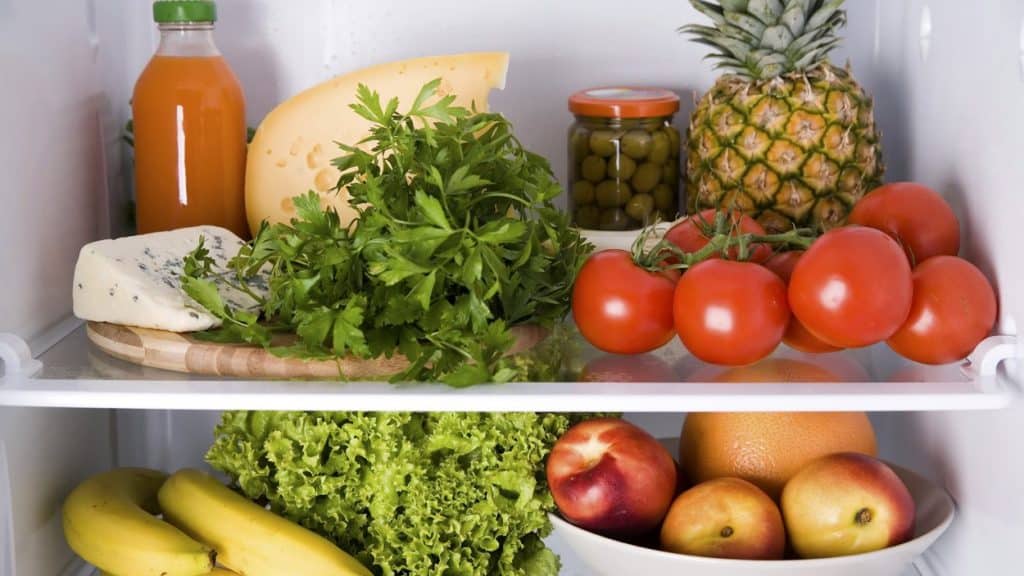
Food Preservation Techniques
Food can be preserved either hot or cold.
Hot Food Preservation Techniques
- Pasteurization: this involves subjecting food to high temperatures ranging from 85 °C to 100 °C, which is then cooled instantly. It allows for the destruction of microorganisms and ensures the preservation of food and its flavors. After pasteurization, the food is then kept fresh.
- Sterilization: this heat preservation technique involves thermally treating food at temperatures above 100 °C. Sterilization eliminates microbes and maintains the temperature of the food.
- Ultra High Temperature Treatment: a technique used to preserve foods like milk, it involves heating the food to extreme temperatures exceeding 135 °C for a duration of 5 seconds and then cooling it instantly. The food is aseptically packaged for long-term preservation at a good temperature.
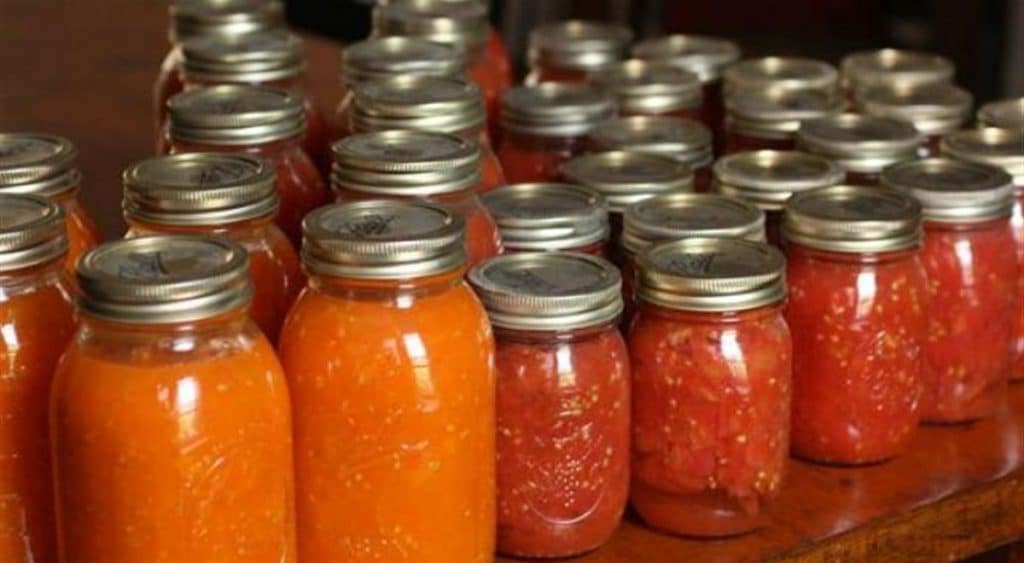
- Appertization: which may require sterilization, involves packaging food in an airtight container. With this process, food can be preserved for up to 5 years. After this period, the food loses its flavors and becomes toxic to the body.
- Use of Semi-preserves: food that has undergone heat preservation treatment, such as pasteurization, is packaged in airtight containers. After this packaging, these food containers are kept cold for a maximum durability of a few months.
Each of these food preservation techniques has its own effectiveness.
Cold Food Preservation Techniques
Quick freezing and freezing allow for good preservation of food through cold.
- Quick Freezing: quick freezing food involves rapidly freezing it by lowering the temperature to -18 °C. It slows down microbial and enzymatic activity in food by reducing water content. Additionally, it helps to maintain both the texture and flavor of frozen foods.
- Freezing: this is a common food preservation practice among individuals. It results in the crystallization of water present in the food placed in a freezer at -25 °C. It is generally used to preserve meats.
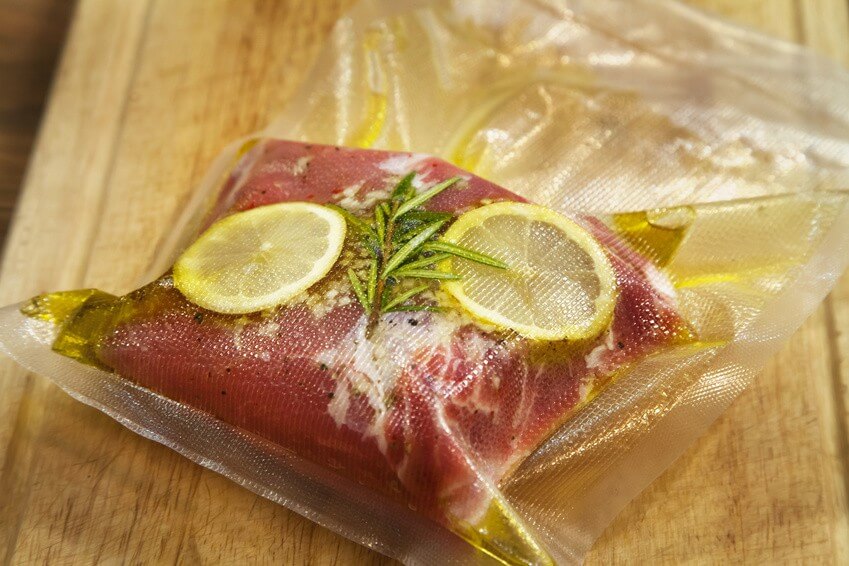
Vacuum preservation enhances the performance of cold food preservation techniques.
Vacuum Food Preservation
The shelf life of vacuum-sealed food is longer than that of simply packaged food.
For example, simply preserved dry foods have a shelf life of 90 days, while foods packaged with a vacuum sealing machine have a shelf life of 360 days. The same applies to the preservation of flour, tea, and coffee, which last 120 days with simple preservation compared to 360 days with vacuum preservation.
It is therefore noted that vacuum preservation through cold is the best option for long-term self-preservation of food and eating healthily on a daily basis.